- by Admin
- in Property Prices
Data period: April – June 2026
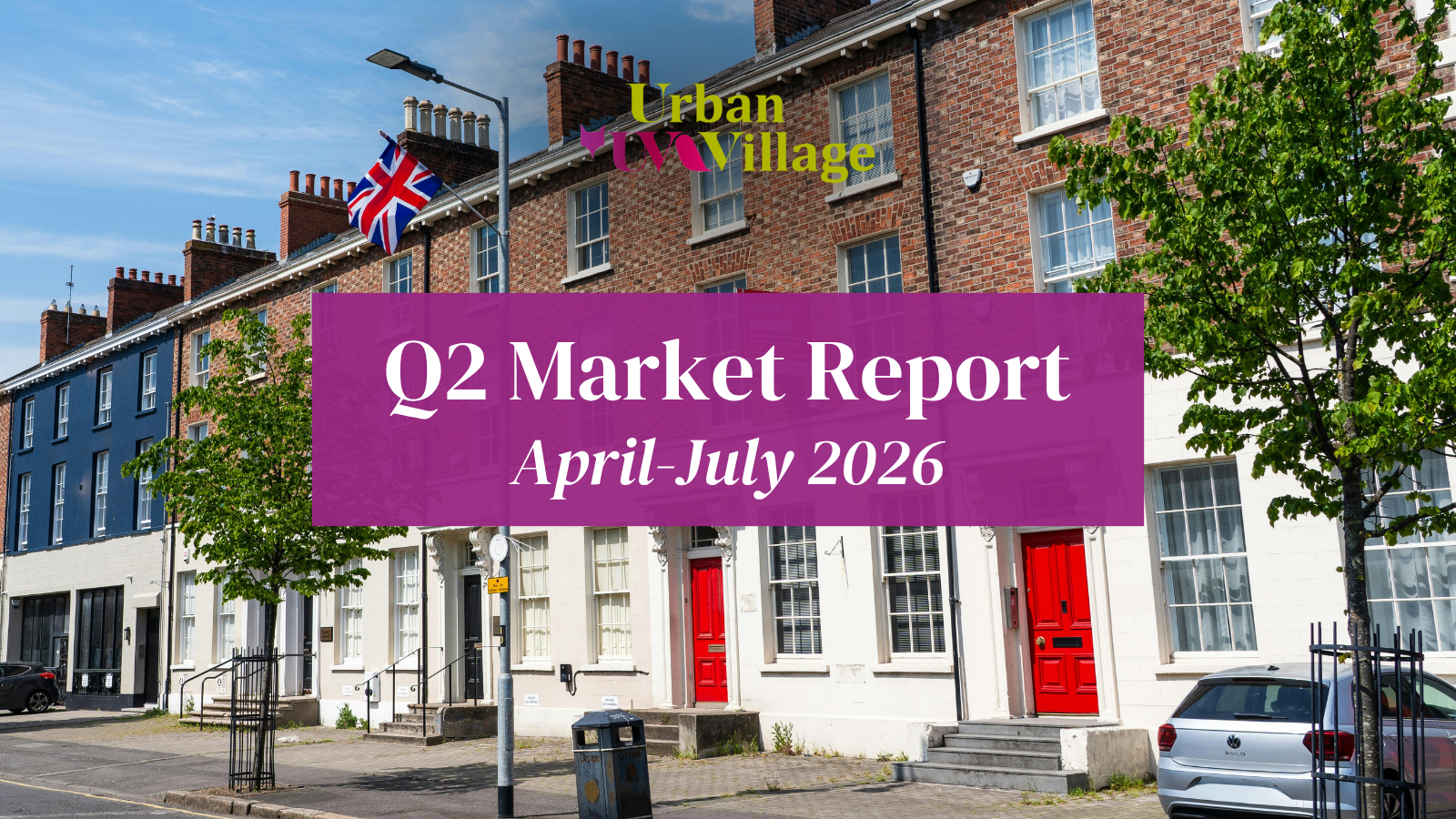
Following a period of stabilisation in early 2026, the South London property market entered the second quarter with a clearer sense of direction. Rather than dramatic shifts or sudden surges, April through June reinforced a broader trend of market recalibration.
Prices have remained realistic, transaction activity has maintained a steady pace, and buyers, sellers, and landlords are navigating conditions with pragmatic expectations.
This report brings together official data from HM Land Registry, the Office for National Statistics (ONS), and HM Revenue & Customs (HMRC), alongside our daily on-the-ground observations across South London
Executive summary: A steady market driven by realistic expectations
The South London property market in Q2 2026 has been defined by price stability and deliberate decision-making. Activity levels held firm into the early summer months, pricing expectations continued to settle, and both buyers and tenants approached moves with a focus on long-term value.
Official statistics for Q2 2026 reveal that:
- London values remained flat: Headline figures reflected a broader, gentle adjustment in capital values, particularly in inner-city areas.
- Sales volumes held consistent: UK completed transactions held near the ~98,000 monthly level throughout May and June.
- Rent growth hit regional lows: London private rent inflation continued to ease, slowing to annual growth rates of 2.0% in May to 2.2% by June.
- Legislative milestones landed: Implementation of the Renters’ Rights Act phased reforms shifted focus toward tenancy retention and formal rent adjustments.
- Core fundamentals sustained value: Proximity to Outstanding-rated schools, green space, and transport links insulated key South London neighbourhoods from broader regional dips.
For anyone looking to buy, sell, or let in 2026, the key takeaway is simple: the market is active, but success relies on accurate pricing, presentation, and local insight.
Price dynamics: outer borough resilience amidst inner London softening
The HM Land Registry UK House Price Index indicates that London continues to experience the lowest annual price growth of any English region, with overall London property values averaging around £545,000 during Q2 2026.
Across core South London postcodes, including SE1, SE4, SE5, SE10, SE13, SE15, SE22, and SW2, we are seeing clear divergence across property types and micro-locations:
- Inner vs. outer performance: Regional averages were pulled down primarily by Inner London borough adjustments (down ~5.9% annually in prime central areas), whereas Outer and suburban South London postcodes held far firmer, with prices flat to down by just 0.3% to 1.5%.
- Houses vs. flats: Houses with private gardens and flexible living space continue to hold their value effectively. Flats and maisonettes remain more price-sensitive, with buyers negotiating carefully around service charges and lease terms.
- Pricing alignment: Properties aligned with recent street-level sales evidence continue to attract competitive interest, while over-quoted listings see extended marketing times.
Transaction trends: predictable rates drive steady summer completions
Transaction data published by HMRC Monthly Property Transactions demonstrates that transaction volumes across the UK held steady into the summer. Seasonally adjusted UK residential property completions hovered around 98,450 in May and reached 98,700 in June, up roughly 2% compared to the same period in 2025.
Key drivers behind Q2 buyer activity include:
- Mortgage rate stability: A predictable rate environment gave buyers the confidence to commit to moves rather than wait on the sidelines.
- Methodical decision-making: Buyers are thorough; they conduct multiple viewings, review comparable sales data, and expect clear value before making an offer.
- Smoother conveyancing: Correctly priced homes are progressing from offer accepted to completion without the erratic fall-through rates seen in previous years.
Lettings market shift: rent inflation slows as London growth hits bottom
South London’s lettings market remains busy, though the steep rent increases of recent years have given way to a far more balanced climate. This shift coincided with the phased implementation of the Renters' Rights Act, which ended Section 21 no-fault evictions, transitioned tenancies to periodic rolling structures, and formalised rent challenge procedures.
According to the ONS Price Index of Private Rents:
- Inflation cools markedly: London private rent inflation slowed to 2.0% in May and 2.2% in June 2026, making London the lowest-growth rental region in England.
- Absolute rents plateau: Average monthly private rents in England reached £1,446 by June; while London remains high in absolute terms, percentage growth has stabilised.
- Focus on tenant retention:Expanded tenant security under the Renters' Rights Act has prompted landlords to focus on tenant retention and steady yields rather than relying on rapid turnover.
For landlords, protecting yields in Q2 2026 relies on setting realistic initial rents, maintaining property condition, and adhering to updated statutory notice periods.
Key drivers: why South London neighbourhoods outperform regional averages
While headline regional statistics fluctuate, South London property values remain anchored by key structural advantages:
Educational catchments
The high concentration of Good and Outstanding-rated primary and secondary schools across Lewisham, Southwark, Lambeth, and Greenwich continues to drive consistent demand from families seeking long-term homes.
Commuter infrastructure
Strong Zone 2–3 transport links, including London Overground connections, National Rail routes to London Bridge and Victoria, and Underground lines, ensure steady demand from city professionals.
Lifestyle and community amenities
Vibrant high streets, independent cafés, expansive parklands such as Peckham Rye, Brockwell Park, and Greenwich Park, alongside active community hubs, maintain South London's strong lifestyle appeal.
Navigating the Q2 market
For sellers: price for the current market, not past benchmarks
Pricing strategy is crucial. Launching at an accurate, evidence-backed price from day one builds momentum, whereas overpricing risks stalling on the market and leading to eventual price cuts.
For buyers: leveraged choice in a balanced environment
The current market provides room for considered negotiation. With stable inventory and consistent sales activity, buyers can act with confidence when well-priced stock becomes available.
For landlords: prioritise compliance, property quality, and void reduction
Growth has normalised, and it is landlords prioritising energy efficiency, full compliance with periodic tenancy rules, and tenant retention will achieve reliable, long-term returns.
Final thought: grounded in data, driven by local context
Q2 2026 demonstrates that South London’s property market has moved past volatility and settled into a steady, sustainable rhythm. Pricing, transaction flow, and rental growth are now aligning directly with local economic realities.
While national statistics outline wider trends, successful outcomes depend on understanding specific streets, building types, and buyer profiles.
At Urban Village, we offer straightforward, data-led advice tailored specifically to South London. Whether you are looking to sell, buy, or manage a rental portfolio, our team is here to guide you through every step.
Get in touch with our team of South London property experts today to discuss your plans for 2026.