- by Admin
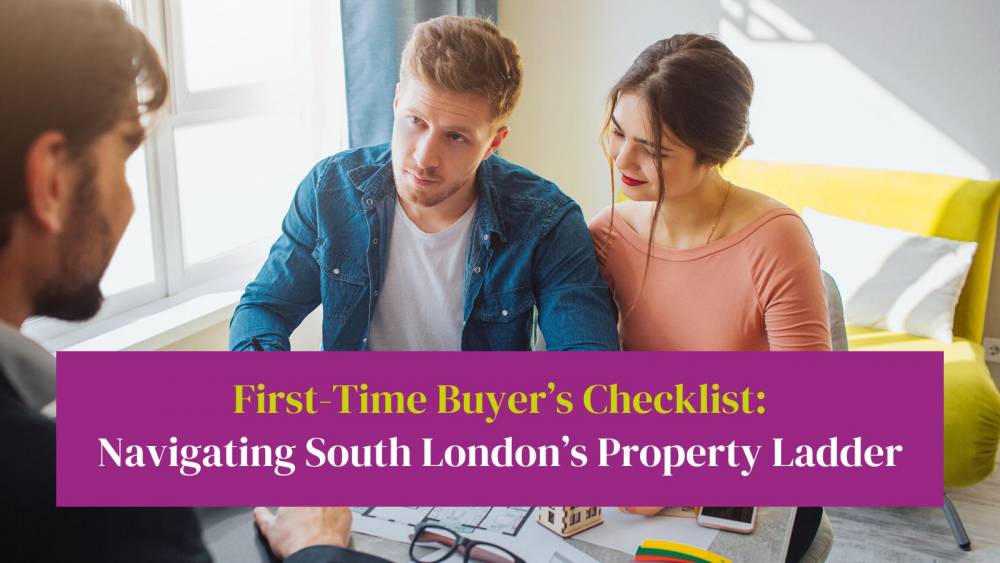
First-time buyer’s checklist: Navigating South London’s property ladder
Buying your first home is exciting, but it can also be confusing. That’s why a clear, well-structured checklist is one of the most powerful tools a first-time buyer can have.
If you’re looking to buy in South London, you’ve probably already realised how quickly things can move. Prices vary between postcodes, listings often go under offer within days, and even working out what you can afford can feel like a challenge.
This blog is here to help. Whether you're a renter ready to make the leap, a young professional weighing up your options, or a couple saving for your first home, this guide walks you through each stage of the buying journey.
At Urban Village, we’ve supported hundreds of first-time buyers through the ups and downs of the process, and it all starts with knowing what to expect and where to begin.
Your first-time buyer’s checklist
1. Know your budget and borrowing power
Before you start viewing anything, it’s important to get a clear idea of what you can afford. Look at your savings, consider your deposit, and factor in extra costs like stamp duty, legal fees, and surveys. A good mortgage adviser can help you understand how much you could borrow, so you’re not left guessing.
2. Get a mortgage agreement in principle
This is basically a quick check from a lender to say how much they’d be willing to lend you. It’s not a full mortgage offer, but it shows sellers that you’re serious, and it puts you in a stronger position when it’s time to make an offer.
3. Decide on your must-haves and nice-to-haves
Do you need a second bedroom? Outdoor space? Parking? Or is being near a station more important? It helps to make a list of what you really need, and what you’d love but could live without. That way, you won’t get distracted by fancy extras and lose sight of what matters most.
4. Explore the neighbourhoods
South London has something for everyone, from quiet leafy streets to lively high streets. Spend some time in the areas you're considering — grab a coffee, walk around the parks, check the local shops, and see what feels right. Our area guides are a great way to get a feel for different spots if you’re just starting out.
5. Book viewings and ask the right questions
When you’re inside a property, look at more than just the décor. What’s the condition of the windows? How old is the boiler? Is there enough storage? Ask about service charges, the lease length (if it’s a flat), and whether there have been any offers already. We’ll help you spot the things that aren’t always obvious.
6. Think about day-to-day life, not just floorplans
It’s not just about what’s inside the property. Is there a park nearby for a Saturday stroll? A decent pub or brunch spot around the corner? A quick route to work? Buying a home is also about buying into a lifestyle, so make sure it fits the way you actually want to live.
7. Make an offer (and be prepared to negotiate)
Found “the one”? Now it’s time to make your move. We’ll help you decide on a fair offer based on the local market and the seller’s situation. If there's room to negotiate, we’ll guide you through it so you feel confident, not pressured.
8. Choose a solicitor
Once your offer’s accepted, you’ll need a solicitor or conveyancer to handle the legal side of things. If you’re not sure where to start, we can put you in touch with people we know and trust.
9. Arrange a survey and finalise your mortgage
Your mortgage lender will carry out a basic valuation, but you might also want to book a survey to check the condition of the property. Meanwhile, you’ll submit the full mortgage application and wait for the formal offer to come through.
10. Exchange contracts and get ready for moving day
Once everything’s been checked and signed off, you’ll exchange contracts with the seller. This is when things become official. A short while later, it’s completion day, the moment you get the keys and step into your very own home.
What to know about South London homes
Once you’ve ticked off the practical steps, it’s worth getting familiar with what’s out there. South London is full of different property types, and each neighbourhood has its own style. Here’s a quick guide to what you might come across:
-
Victorian terraces can be found in places like Camberwell, Herne Hill, East Dulwich, and Peckham
-
Ex-local authority flats are common in Brixton, Stockwell, Kennington, and Tulse Hill, and are often great value for first-time buyers
-
New builds prominently feature in Elephant & Castle, Canada Water, Deptford, and Nine Elms, ideal if you want modern living with fewer upfront repairs
-
1930s houses are often located in Streatham, West Norwood, and Sydenham, popular for their open space and gardens
-
Warehouse conversions and lofts are a bit rarer, but you'll find them in Bermondsey and parts of Deptford
If you’re not sure what would suit you best, spend some time exploring. Walk the streets, check out local cafés and green spaces, and imagine what day-to-day life might look like there. Sometimes it’s the feel of a place that tells you it’s right, not just the specs on paper.
Ready to take the first step towards your dream home?
Urban Village is here to help you feel informed, supported, and never rushed.
We’ll walk you through the process, connect you with great local partners, and always keep your goals front and centre. From viewings to handing over the keys, we’re on your side the entire way.
Fancy a friendly chat to get started? Call us on 020 3519 9121 and take the first step towards your new life in South London.